Early Interceptive OrthodonticsIn Gastonia, NC
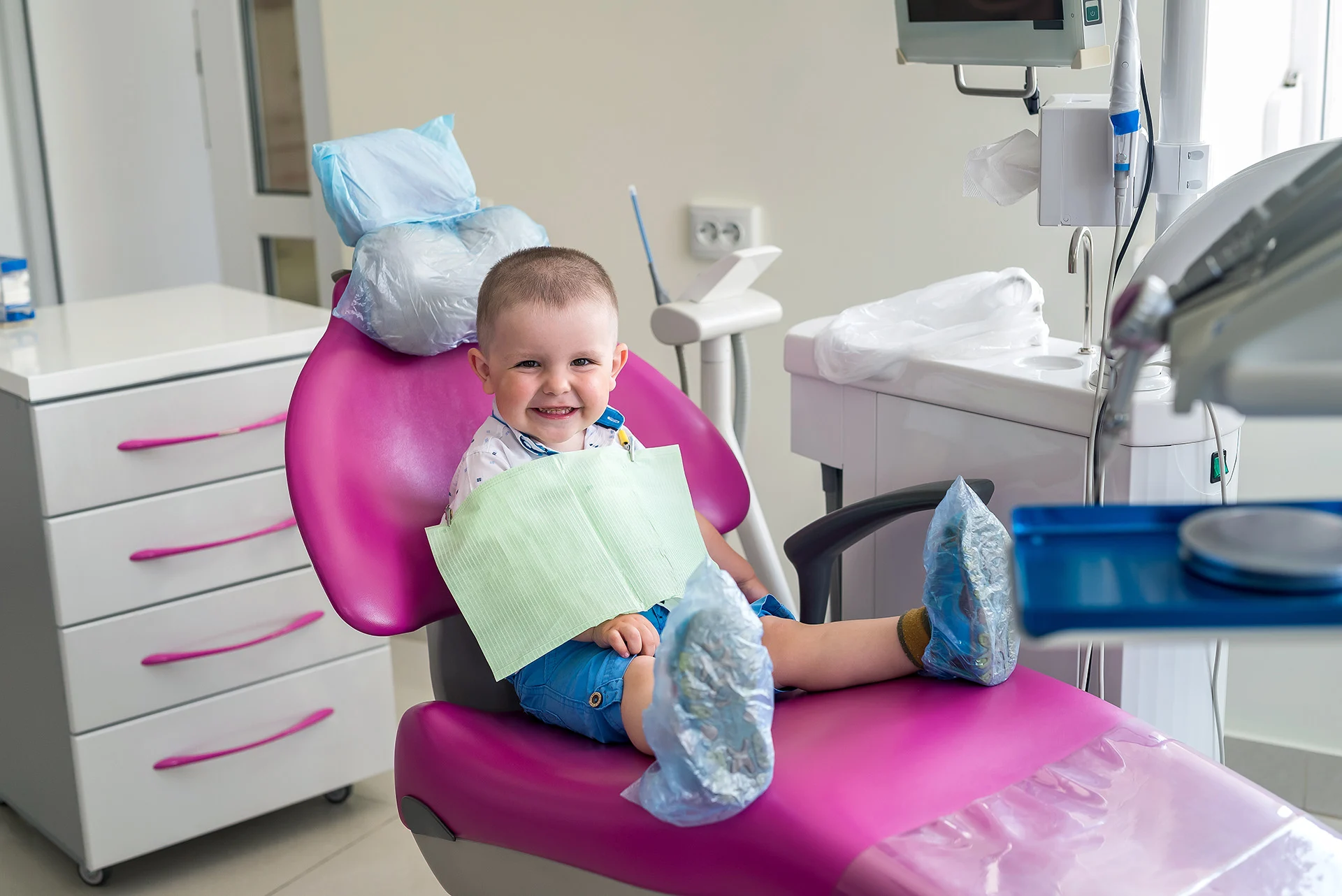
Starting orthodontic care for your young child may seem drastic. But by beginning proactive care early, we can help minimize or even eliminate their need for more extensive treatments in the future. Give your child a lifetime of healthy smiles.
Why Should I Choose Early Interceptive Orthodontics?
Because the sooner you get treatment for your child, the better the alignment of their teeth and jaws will be. Orthodontic problems often become obvious as early as the age of 6-8 in some kids. By using special early orthodontic treatments, orthodontists can correct lots of these problems while your child’s jaws are still growing, and before all of their permanent teeth erupt. This is known as “Phase 1” orthodontic treatment. Getting phase 1 treatment can simplify your child’s future treatment with braces, and can even eliminate the need for further orthodontic procedures, in some cases.

No More Messy Impressions
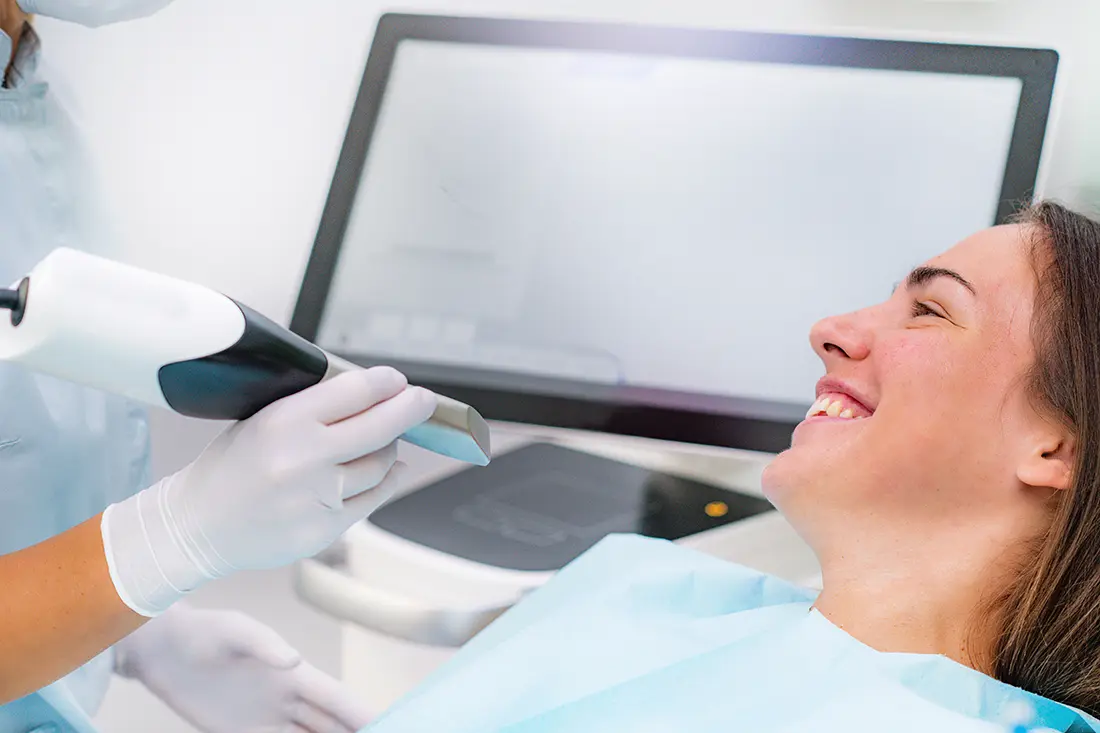
With our intraoral scanner, we’re able to create accurate 3D models of your child’s teeth, gums, and jaw structure, all without the need for messy impressions. These images allow us to create the most efficient treatment plans, and even see what your child’s smile will look like after their treatment has finished.
Keeping Care Accessible
We believe that everyone deserves a chance at a healthy smile, and that’s why we do everything we can to make paying for dental care as easy as possible.
Insurance-friendly office
Healthcare financing
Membership plans available
Expanders, Holding Arches & Habit Appliances
Early orthodontic treatment often includes specialized appliances that help guide proper jaw growth and tooth development. Palatal expanders are used to gently widen the upper jaw, creating space for incoming teeth and improving bite alignment. Lower lingual holding arches help maintain space in the lower jaw by keeping teeth in the correct position while permanent teeth erupt. Habit appliances are designed to address behaviors like thumb sucking or tongue thrusting, which can affect dental development if left untreated. These early interventions allow us to correct issues at the right time—often reducing the need for more complex treatment later.

The Benefits of Phase 1 Orthodontics
Develop A Healthy Bite
Phase 1 orthodontics is particularly important in patients who may have serious jaw problems or a narrow palate. These issues can interfere with the development of a healthy bite. In the future, this could lead the problems when the permanent teeth erupt, with speech impediments or with premature tooth wear. With early interceptive orthodontics, these complex issues can be reduced or eliminated.
Reduce Tooth Misalignment
Early interceptive orthodontics helps the adult teeth erupt in the proper places, and can reduce or even eliminate the misalignment of adult teeth. This not only improves your child's smile, but also their overall health.
Treat Other Dental/Health Complications
A bad bite and misaligned teeth can contribute to or cause lots of other problems like disordered breathing, a higher risk of gum disease and tooth decay, speech issues, and much more. Proper care from an expert orthodontist will prevent all of these problems and more.
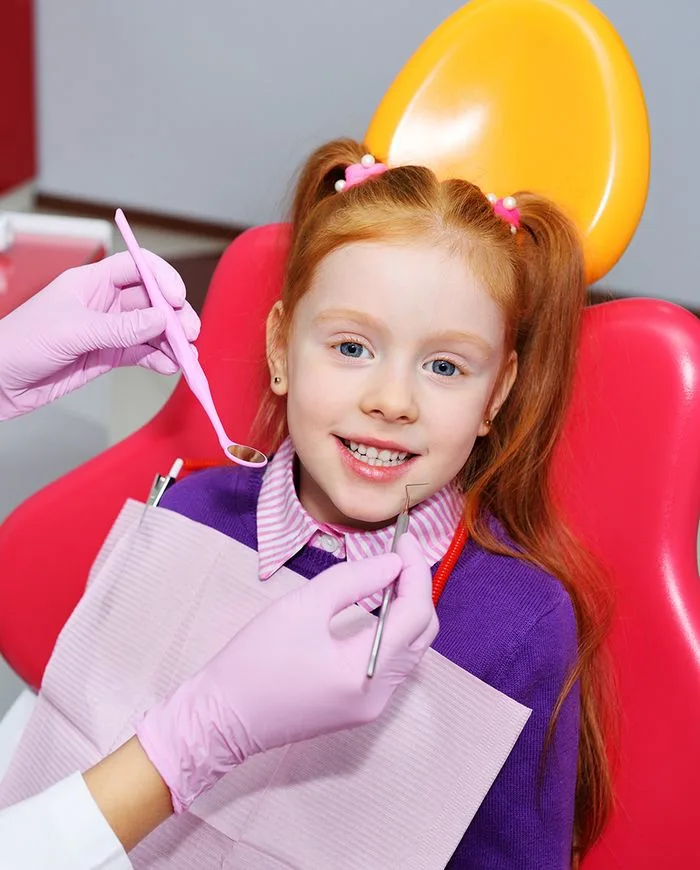
Board-Certified Orthodontist
When you bring your child to a board-certified orthodontist, you’re getting the peace of mind knowing that your little one’s smile is in the hands of an experienced professional who is dedicated to keeping up with the latest advancements in orthodontics and patient care.
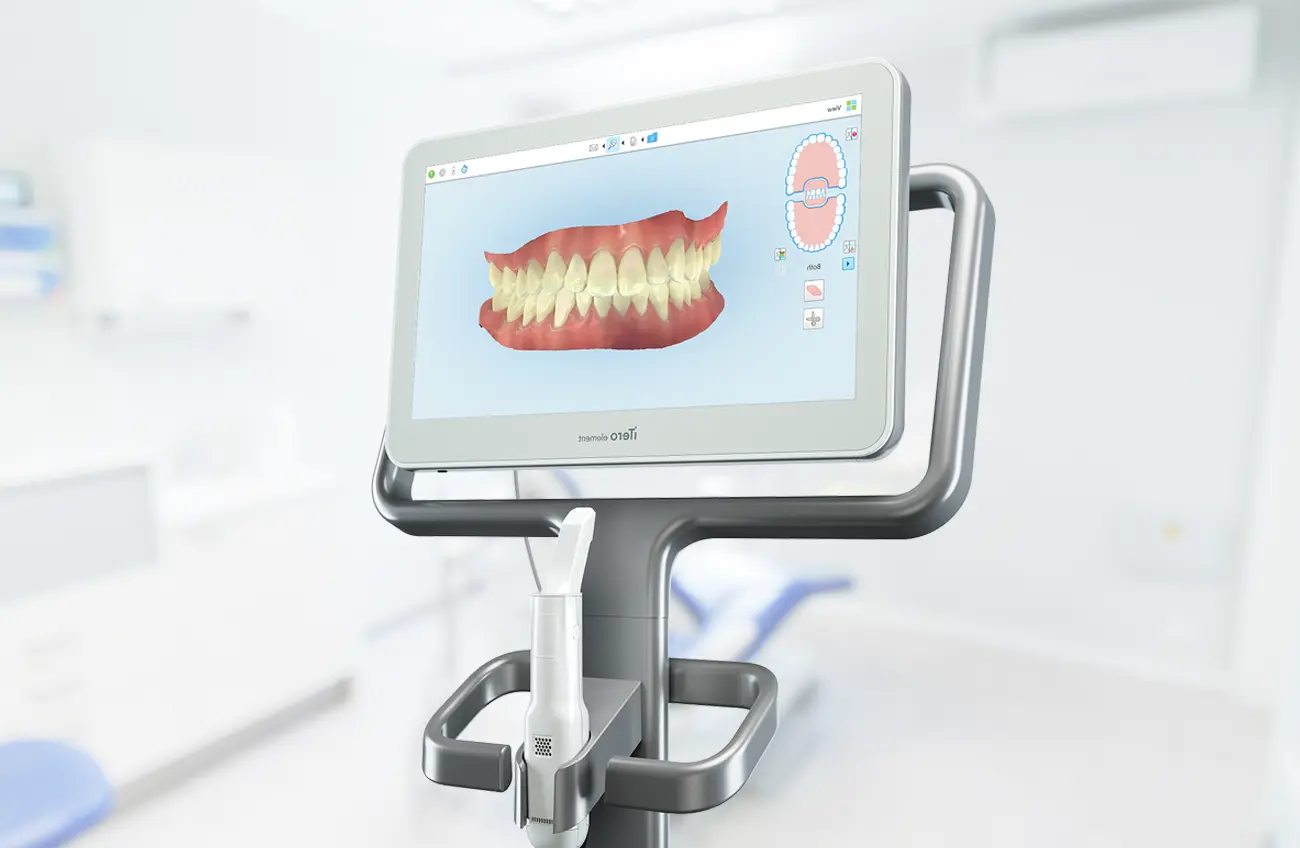
iTero Intraoral Scanner
With our iTero intraoral scanner, we’re able to create accurate 3D models of your child’s teeth, gums, and jaw structure, all without the need for messy impressions. These images allow us to create the most efficient treatment plans, and even see what your child’s smile will look like after their treatment has finished.
The Early Interceptive Orthodontics Treatment Process

Initial Consultation
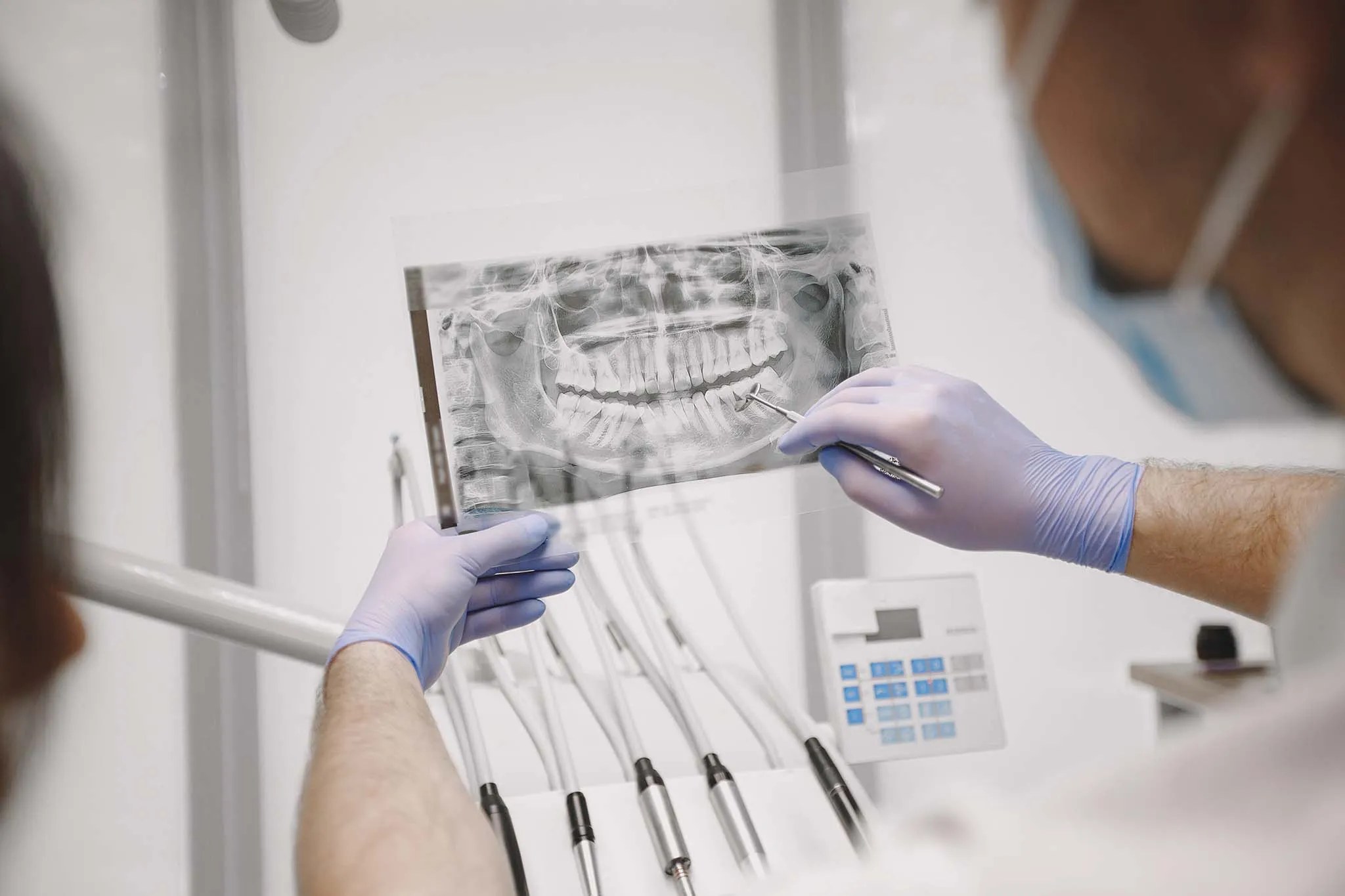
First, your child will need to have an appointment with an experienced orthodontist. Your child’s orthodontist will take detailed x-rays, perform a comprehensive exam, and assess their overall oral health to determine if your child needs phase 1 orthodontics.
Personalized Treatment Plan
Once your child is approved for treatment, their orthodontist will develop a customized treatment plan. This could include special braces, habit appliances to help with things like thumb-sucking or bad swallow, palate expanders, headgear, and a variety of other treatments. Every child is different, so your orthodontist will discuss their plan with you and schedule all of the necessary follow-ups and checkups.

Regular Orthodontic Check-Ups
Phase 1 orthodontics typically takes about 12 months, though some patients may have shorter or longer treatment times. During this time, your child will come back to our office for frequent visits with their orthodontist. Their orthodontist will check on their oral health, examine their progress, and make sure everything’s on track. This same process will continue until your child’s treatment is complete.
Before & Afters
A smile is worth 1,000 words.
See real patient success stories.
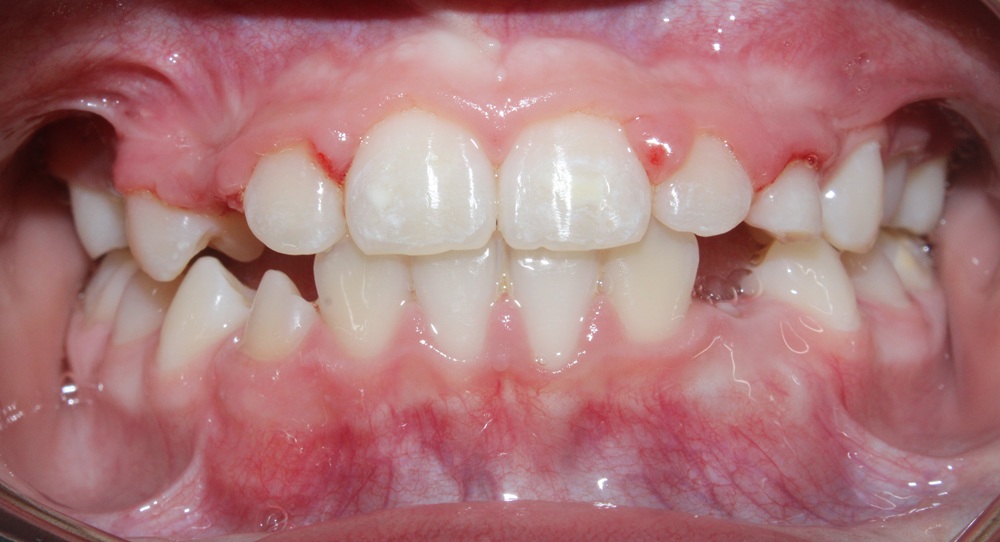
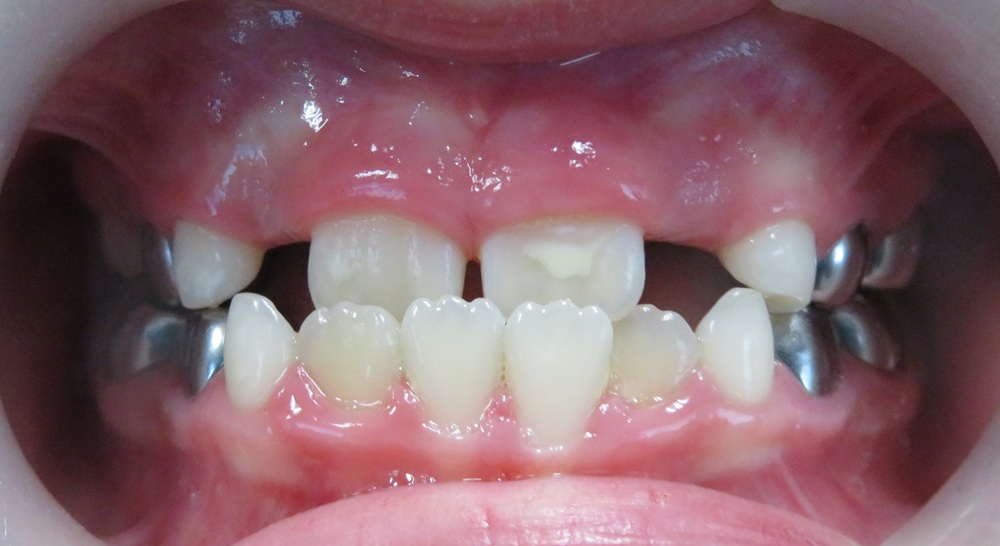
Phase 1
FAQs
Frequently Asked Questions
Check out these frequently asked questions, or call us to speak with our team.
If your child is showcasing one or more of the following signs & symptoms, they may be a good candidate for early interceptive orthodontic treatment:
- Underbites
- Crossbites
- Crowded teeth
- Excessively gapped teeth
- Extra or missing teeth
- Excessive thumb, finger, or pacifier sucking
Our team is happy to work directly with you and your child to assess these symptoms before they become severe issues over time.
Early treatment can be in a patient’s best interest if their problem is one that could worsen over time and cause severe dental issues in adulthood if left untreated. The goal of early treatment is to recognize and eliminate these problems as early as possible, so a child’s teeth and jaws can properly grow and maintain space for incoming adult teeth.
While many orthodontic problems are inherited, some are caused by common habits over time, such as thumb sucking, finger sucking, or excessive pacifier use. Other factors such as mouth breathing, dental disease, abnormal swallowing, poor dental hygiene, or early or late loss of baby teeth, accidents, and poor nutrition can alter your child’s teeth and jaw alignment. No matter the cause, our team will cater to your child’s unique needs and teach them healthy habits for a lifetime of optimal oral health.
The American Association of Orthodontists recommends that your child’s first check-up should take place before the age of 7 or any time an orthodontic issue is noticed before then. By the age of 7, your child’s mouth holds enough permanent teeth for an orthodontist to gain a strong understanding of your child’s mouth and jaws as they develop. This provides your orthodontist with plenty of information to give your child a tailored treatment plan.
The cost of early interceptive orthodontics is different for each patient. Factors that may affect the cost include the severity of your child’s teeth misalignment, length of treatment time, insurance type, and more. The best way to find out how much you’ll pay for your child’s early interceptive orthodontics is to schedule a consultation with your orthodontist.